
Some deals don't fit inside any conventional lending box — and that's exactly the kind of deal most lenders instinctively decline. As a repeat client, Alan Schneider and Max Force Incorporated brought this one straight to us.
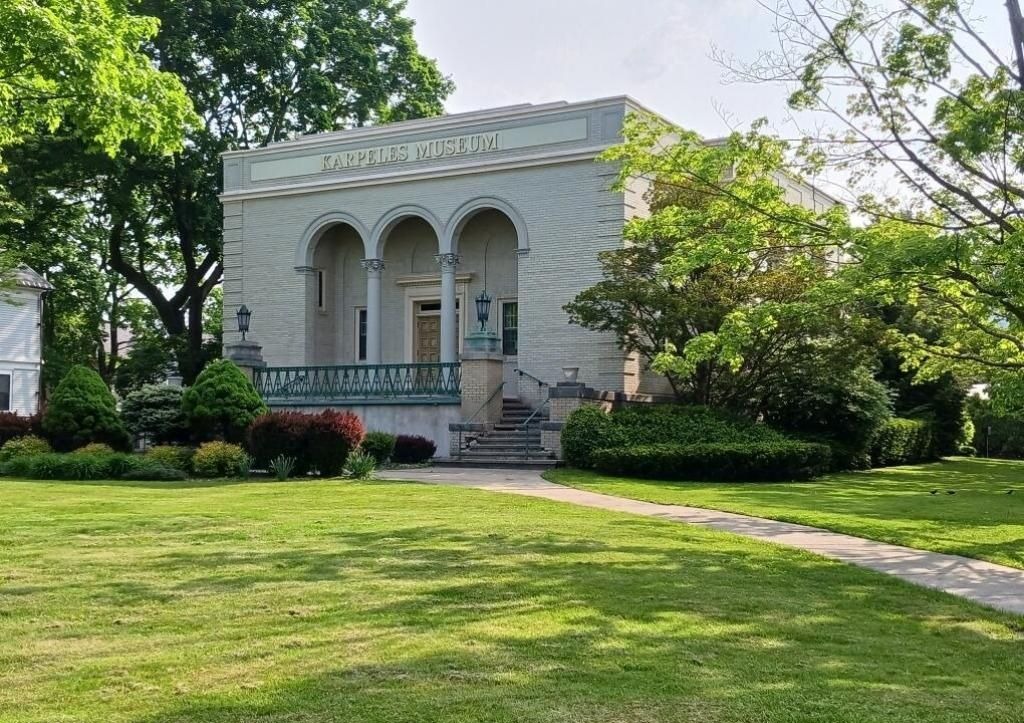
The Property: A Museum, Not a House
Alan's plan was to acquire a property at 66 Kingsboro Ave in Gloversville, NY — currently operating as a museum — and convert it into a single-family home.
That plan alone is enough to get most lenders to an automatic no. A former museum has no comparable sales to pull from, no straightforward occupancy classification, and a use case mid-transition between institutional and residential — exactly the kind of file that makes conventional underwriting default to decline. Alan is a repeat client, so he brought the deal straight to us instead of shopping it around.
The Deal We Structured
We funded it as a 1-year bridge loan at 9.75%, with no prepayment penalty, structured around the two real phases of the project:
- $99,950 toward the $199,900 purchase price — 50% of acquisition
- $120,120 — 100% of the construction budget for the conversion
Total loan: $220,070, against an after-repair value of $415,000 — roughly 53% of ARV. Conservative leverage on a deal most conventional lenders would have declined outright, because our underwriting focused on the plan and the numbers, not just the property's unconventional current use.
The no-prepayment-penalty structure matters as much as the rate here. A bridge loan is meant to be temporary — Alan's plan is to complete the conversion, stabilize the property as a single-family home with real comparable sales behind it, and refinance into permanent financing. A loan that penalized him for paying it off early would work directly against that exit strategy, so we structured it so he can move to his next step the moment the conversion is complete.
Why We Said Yes When Others Said No
This deal didn't get funded because we ignored the risk — it got funded because we underwrote the actual plan and the borrower, not just whether the file matched a standard template.
A property transitioning from institutional to residential use is unusual, but it isn't unfundable. What mattered here: a clear, realistic conversion plan, a borrower with the experience to execute it, financing structured specifically around the two real phases of the project, and a loan amount conservative enough relative to the finished value to make sense even on an unconventional asset.
"That's the difference between a lender who says no because a deal doesn't match their checklist, and one who actually reads the deal."
What This Means If You're Sitting on an Unconventional Property
If you've got a property that doesn't fit a standard category — a former commercial or institutional building you want to convert, a mixed-use structure, a property with an unusual history or classification — don't assume it's unfundable just because the first lender (or the first few) said no. Bridge financing exists specifically for projects in transition, where the property's current state and its intended future state don't match, and a conventional loan simply can't bridge that gap.
Frequently Asked Questions
What is a bridge loan?
A short-term loan, typically 6–24 months, used to fund a property through a transition period — a renovation, a conversion, or a repositioning — before it's refinanced into permanent, long-term financing.
Can bridge loans fund unconventional property conversions, like a museum converting to residential use?
Yes. Bridge loans are built for exactly this kind of transitional deal. Because they're structured around a specific plan and exit strategy rather than a standard property classification, they can fund conversions that conventional loans won't touch.
Does a bridge loan cover both the purchase and the construction/conversion costs?
It can, structured in phases — as in this deal, where financing covered half of the acquisition cost and the full construction budget separately, matched to how the money was actually needed as the project progressed.
Why would a bridge loan have no prepayment penalty?
Because the entire point of a bridge loan is to be temporary. A prepayment penalty would directly conflict with a borrower's plan to refinance into permanent financing as soon as the project is complete — so many bridge loans, including this one, are structured without one.
What if my property doesn't fit a standard commercial or residential category?
That's precisely the kind of deal business-purpose bridge lending is built for. Talk to us before assuming a property's unusual classification makes it unfundable.
Have a Deal Other Lenders Won't Touch?
If you've been turned down because your property or your plan doesn't fit a conventional box, that's worth a conversation, not a dead end.